I wanted to make my ChatGPT workspace feel a little more personal, so I used a photo of my dog Zoey to create a custom animated pet. I named her Zo.
The idea was simple: keep the features that make Zoey recognizable, turn them into a small cartoon character, and give that character a set of animations.
Starting with Zoey
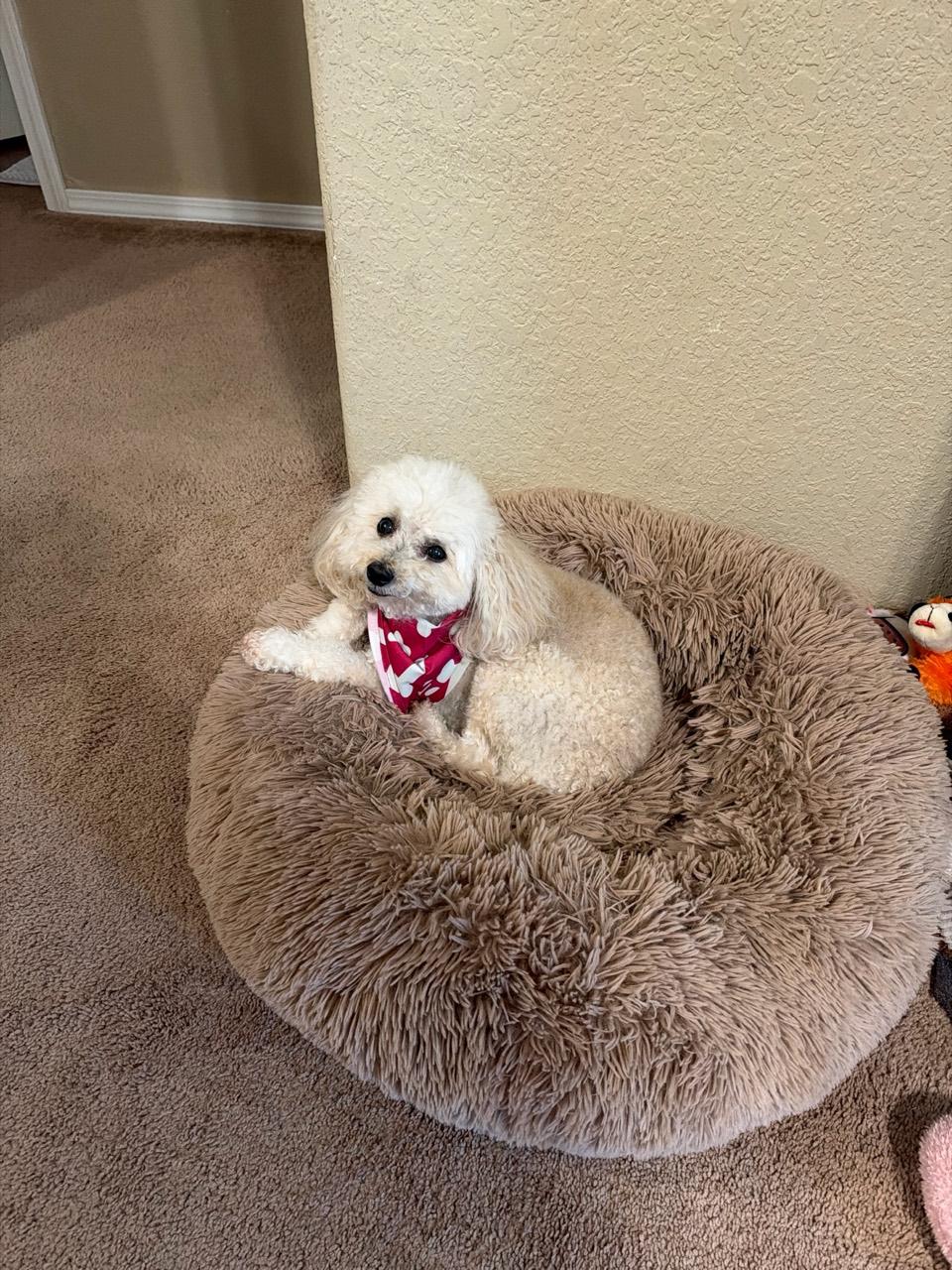
I started by giving ChatGPT a photo of Zoey and asking it to make a custom pet that looked like her:
Make a custom pet that looks like my dog Zoey and we will call it Zo.
The reference gave Zo her cream curls, floppy ears, and dark eyes. I also asked ChatGPT to change her bandana to an Oklahoma City Thunder style, because that’s my team! The generated design turned those details into a soft, plush-style cartoon.
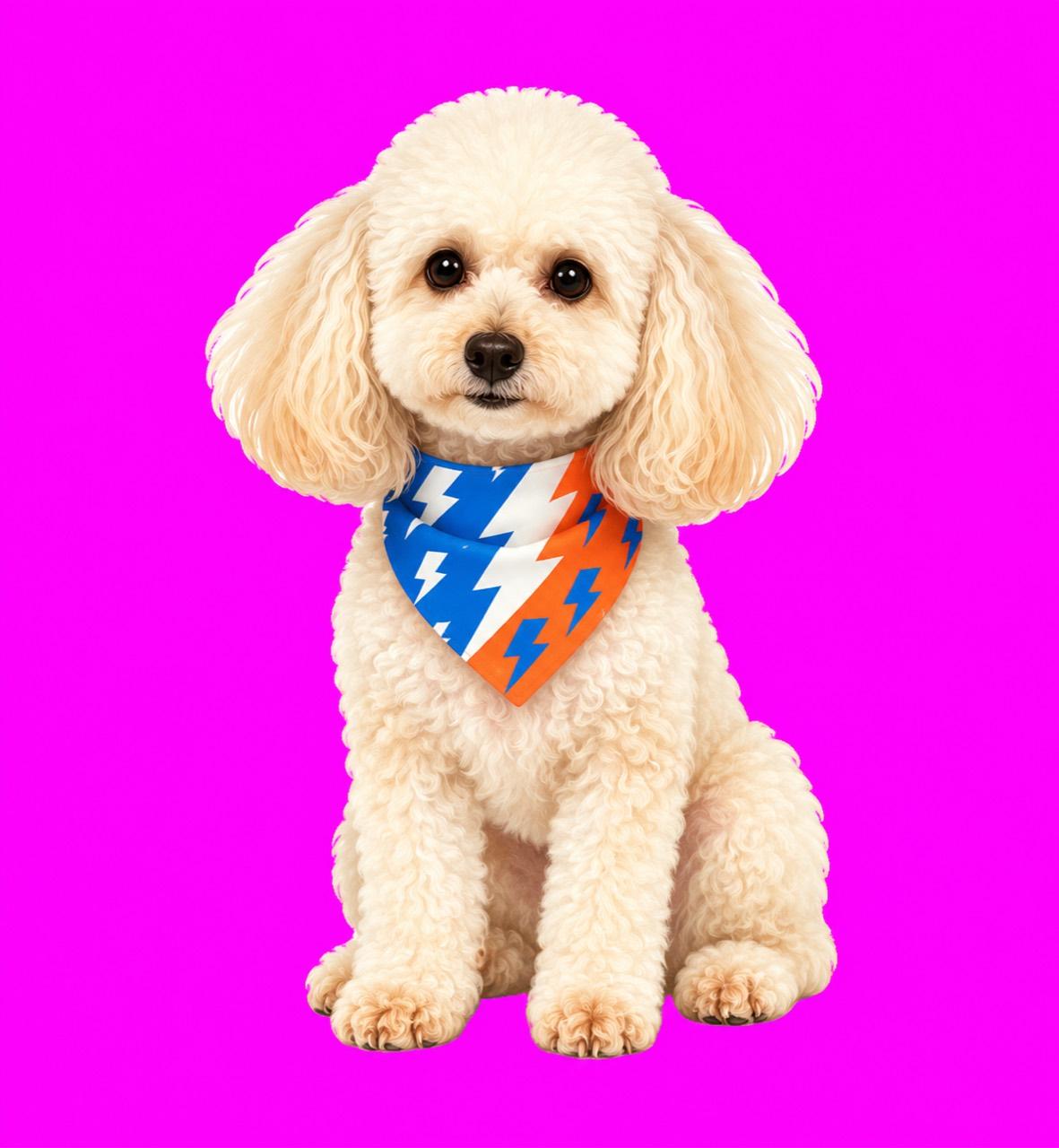
From one image to a set of poses
ChatGPT built on that first image with poses for looking around and animations for resting, moving, greeting, jumping, and working. The goal was to keep Zo recognizable across every frame.
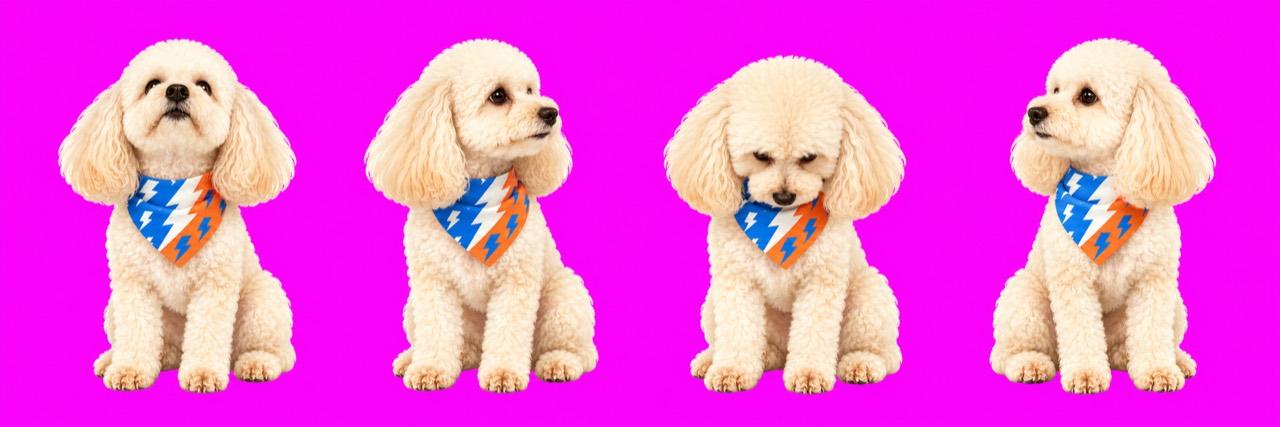
The finished Zo
The final result was an animated pet with blinking, greeting and head-tilt gestures, jumping, focused-work animations, and look-around poses. Zo was then activated as my pet in ChatGPT Work.
What I took away
My role was to give the process a direction: start with Zoey, preserve the recognizable details, and turn that reference into a pet named Zo. ChatGPT handled the image generation and animation assembly.
The interesting part was seeing a personal reference become a consistent character across different poses and behaviors. The directional correction also showed why reviewing the finished animation matters alongside reviewing the individual images.
It was a small experiment, but a fun way to turn something personal into something I can use.